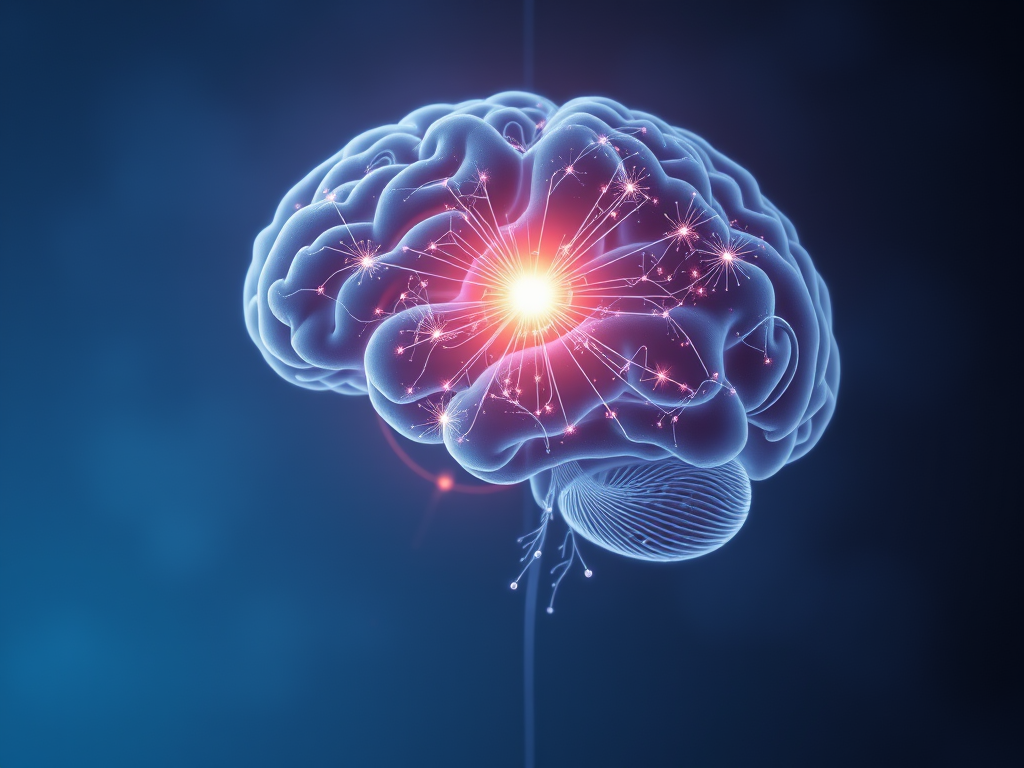


How many of us have planned out our lives according to our desires? In Psalm 119, the psalmist has been talking about how his plans and ways did not really work out for his own happiness or the good of others. God’s ways are better. He consistently asks God to teach him the divine way according to the Law. He asks God’s forgiveness in lovingkindness. He commits to God’s ways instead of his own. Now, the psalmist praises God with yet another realization for our lives.
Your hands made me and fashioned me; Give me understanding, that I may learn Your commandments (Psalm 119:73).
We sometimes have a purely biological outlook on things. I exist because my mom and dad loved each other very much. My birth was a consequence of their actions. My biological parents brought me into this world. The psalmist moves beyond biology to confess a metaphysical reality. Talking about God, he confesses, “Your hands made me…”
He goes beyond confessing that God made the first man and woman and let biology take over. The psalmist believes God was the ultimate one responsible for making him personally. When we observe the rest of the Bible, we see that God claims personal responsibility for intentionally forming each person (cf. Genesis 2:7; Deuteronomy 32:6, 15; Job 10:8; 31:15; Psalm 139:15, 16; Isaiah 29:23; Jeremiah 1:5; 43:7; Ephesians 2:10).
If you know anything about biology and cell development, you know the process is intriguing. All the cells in the body replicate from the initial zygote with the exact same set of DNA. At the appropriate time, heart cells become heart cells. Skin cells become skin cells. Brain cells become brain cells, and so on. RNA allegedly has a role in telling cells what parts of the genetic code they will exhibit in their function, but biologists are baffled as to exactly how a cell knows what to become since all cells have the exact same DNA. Biologists seems to talk about how cells are influenced by their environment and even a form of biological programming that tells a cell what to become. It stands to reason that there must be some kind of external influence on the different cells in order to program them to exhibit the correct segments of the genetic code. The psalmist, along with every other human author of the Bible, believes God has an intimate and intentional role in the creation of each individual. In fact, God is the ultimate cause, architect, and craftsman of every individual life. Jeremiah even wrote:
“Before I formed you in the womb I knew you…” (Jeremiah 1:5).
God receives credit for creating each person. Jeremiah also indicates that God knows a person before creating him in the womb. God has designed each person and has intentionally created us the way we are for His good purpose. That’s good news. No matter the circumstances under which you were born, no matter your disabilities and imperfections, no matter what your life looks like now or will look like, you were intentionally made by God who designed you with a real purpose. You were intentionally made the color and gender you were from birth. You were intentionally crafted with your color hair and eyes. You were created to have your personality. Your brain works precisely the way God intended. You were born exactly where God meant for you to be born at His intentional point in the history of everything. This is encouraging. No person exists accidentally.
A natural question arises. If God personally and intentionally creates each person, why are people ever born with disabilities, genetic mutations, medical conditions, or what we see as imperfections? Recall Jesus’s statement about the blind man.
As He passed by, He saw a man blind from birth. And His disciples asked Him, “Rabbi, who sinned, this man or his parents, that he would be born blind?” Jesus answered, “It was neither that this man sinned, nor his parents; but it was so that the works of God might be displayed in him (John 9:1-3).
People are born with what we call imperfections not because of anyone’s sin but so the works of God might be displayed in them. Then, Jesus challenged his disciples to treat these people well—to do the works of God. This is why Christians love the unborn, outcast, and people who are different. All life is sacred because God doesn’t start creating accidents. Our stand against abortion has nothing to do with when human life starts. That’s where worldly people take the argument. It has to do with the character and nature of God. He doesn’t start creating something without purpose. It is wrong to kill what God is creating without God’s explicit command—and He has provided that command against people who murder, warmonger and otherwise threaten society in His Law.
You were created intentionally for a purpose.
The psalmist also claims God fashioned him. Fashioned (יכוננה) is a word meaning to establish. God created the psalmist and established him. God is not only responsible for creating each person. God is responsible for guiding the steps of our lives. We don’t experience any success, failure, misfortune, enrichment, circumstance, or whatever by accident. Everything we experience has a purpose. God is the one establishing each person as He establishes the whole world (cf. Jeremiah 33:2). Thus, we don’t have to worry about life. We are free to strive and dream, but we understand our steps are established by God. He opens and closes doors. Though we may think, “What if I made a different decision?” or stress about the decisions we will make, God encourages us by showing us that we are here on purpose. People will worry about being outside the will of God. I think that’s impossible because it is God who establishes us. We do not establish ourselves. This is humbling and encouraging. If God is guiding our lives, we are not powerful enough to remove ourselves from His will no matter what kind of mistakes we make. God is a good Father.
We get to experience much encouragement and praise God. Thank Him for creating each of us intentionally with a purpose! Praise Him for loving us enough to establish the steps of our lives according to His will! His ways are truly better than ours. Your life is not an accident. It would not be better if you were suddenly gone. You are meaningful to God and to what He is doing on the earth here and now.
The psalmist asks God for understanding again. We should as well. Instead of questioning our circumstances or wondering why we don’t have more, we can understand what God is doing. He is not interested merely in promoting people by worldly standards. There are more important things, like the justice and blessing we read about through Psalm 119. May we all seek to understand what God is doing as He guides our steps to exactly the point we are in this life.
In this post, you read about God’s providence in our lives. God works all things together. Reflecting on God’s providence can incite questions about destiny, fate, and free will. You also read about understanding our place in the cosmos, which can bring up questions of human consciousness, self-awareness, the mind, and the soul. If you have any questions about these topics or others, please feel free to reach out.
This biblical content is being distributed around the world in virtually every language. Please take a moment to consider supporting this blog by subscribing, shopping, donating or suggesting content, or asking a question. Thanks for reading.
Leave a Reply